The childhood abuse fear of not being believed is a common barrier for late-awareness survivors. Trauma-informed educators explain how institutional grooming, fragmented memories, and historic gaslighting combine to create deep adult self-doubt, offering a gentle path toward finding validation and…
Institutional abuse trauma occurs when trusted organizations choose self-preservation over protecting the vulnerable. Discover how systemic cover-ups and institutional gaslighting create long-term emotional impacts—such as authority skepticism and internalized shame—and learn how shifting the burden of accountability back onto negligent…
The true reasons why survivors stay silent about abuse are rooted in complex psychological trauma, manipulative grooming, and protective institutional barriers. For children facing powerful authority figures, silence often becomes a necessary survival mechanism. Discover the real dynamics behind delayed…
Experiencing childhood abuse memory doubts is a deeply common, confusing part of navigating early trauma. Discover how fragmentation, family minimization, and systemic gaslighting create internal self-doubt, and learn gentle, trauma-informed strategies to validate your own history and reclaim your truth…
A major Corona-Norco Unified School District lawsuit has been filed following the criminal conviction of former track coach Joe Robles Jr. Represented by attorney Paul Mones, five survivors accuse the district of failing to monitor professional boundaries and protect students…
Institutional grooming occurs when organizational culture, authority dynamics, and oversight failures create an environment that enables abuse and conceals harm. Discover how entities normalize boundary erosion, why reputation management silences survivors, and how independent oversight can break the cycle of…
Can Childhood Trauma Affect Adult Relationships? Unpacking the Interpersonal Legacy of Early Betrayal When we think about the consequences of childhood exploitation or institutional abuse, we often focus on the immediate aftermath or the legal timelines. However, the true reach…
One of the most painful and bewildering realities that adult survivors face when looking back at their childhood history is a persistent, internal voice that insists they were somehow responsible for their own harm. This internal struggle is the direct…
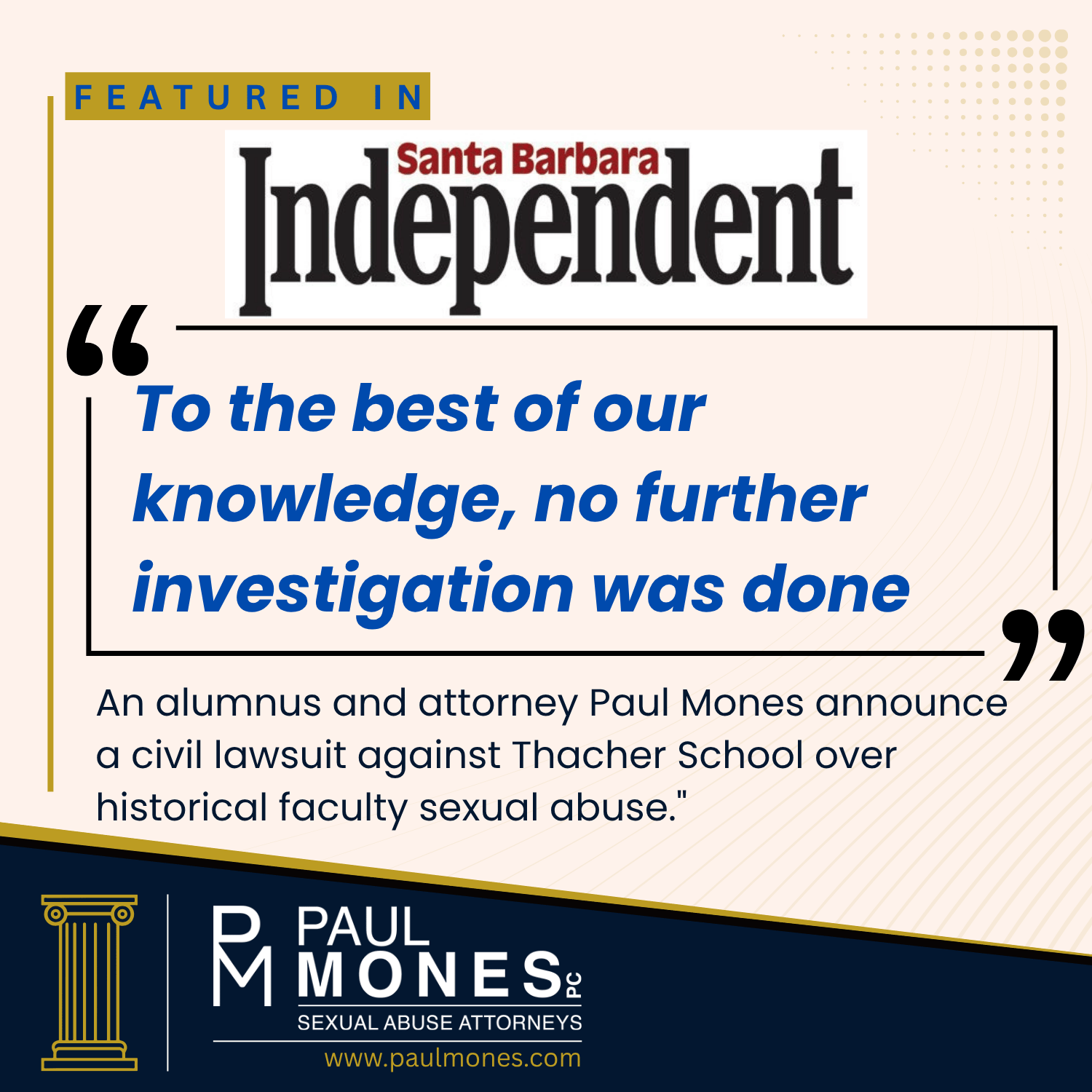
A former student represented by Paul Mones LLC has filed a landmark lawsuit exposing decades of Thacher School sexual abuse. The civil complaint accuses the elite Ojai boarding school of gross negligence for hiring a known predator despite prior knowledge…
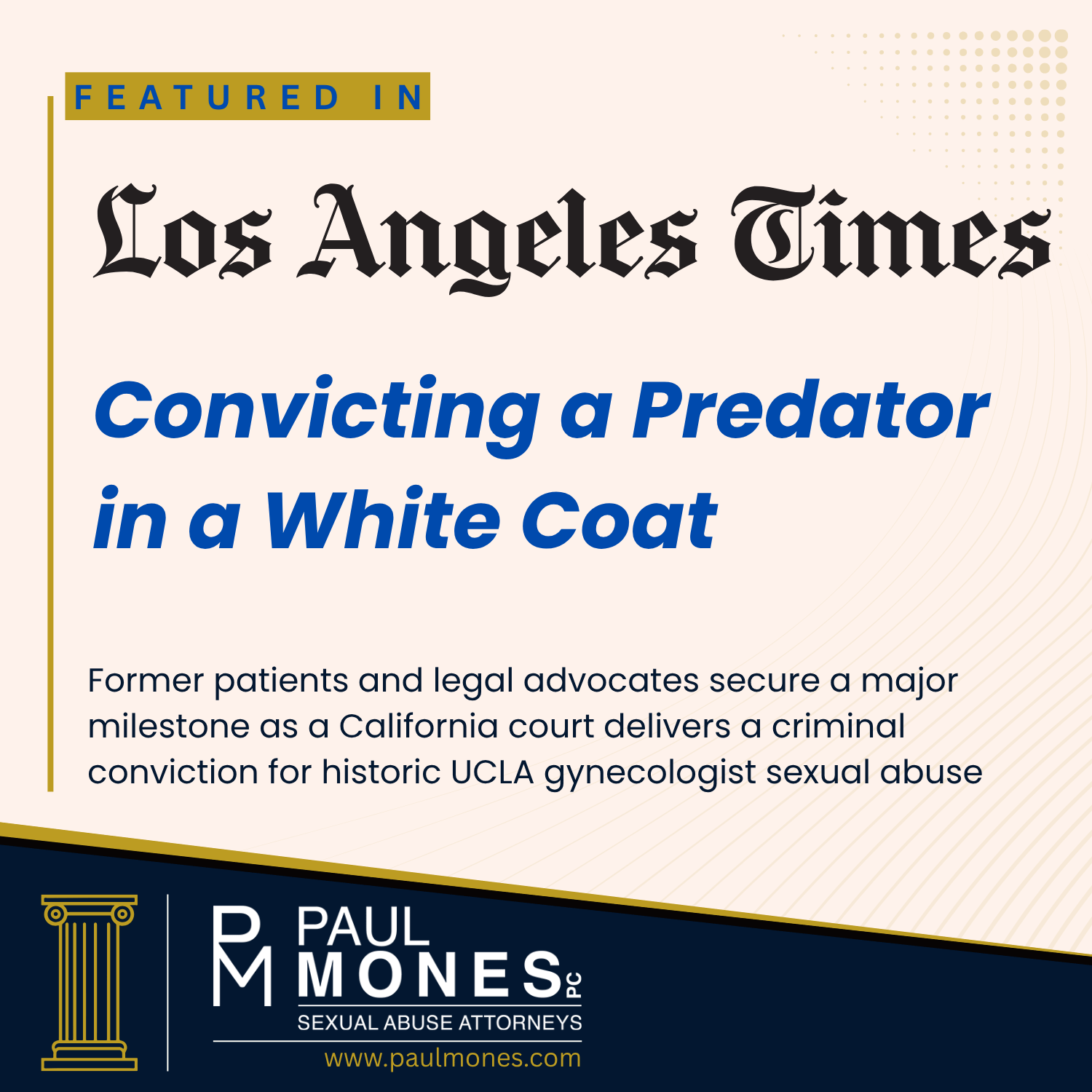
A Los Angeles jury has found former physician James Heaps guilty of multiple felonies, delivering a major blow to a decades-long pattern of UCLA gynecologist sexual abuse. Facing up to 28 years in prison, the renowned cancer specialist was exposed…
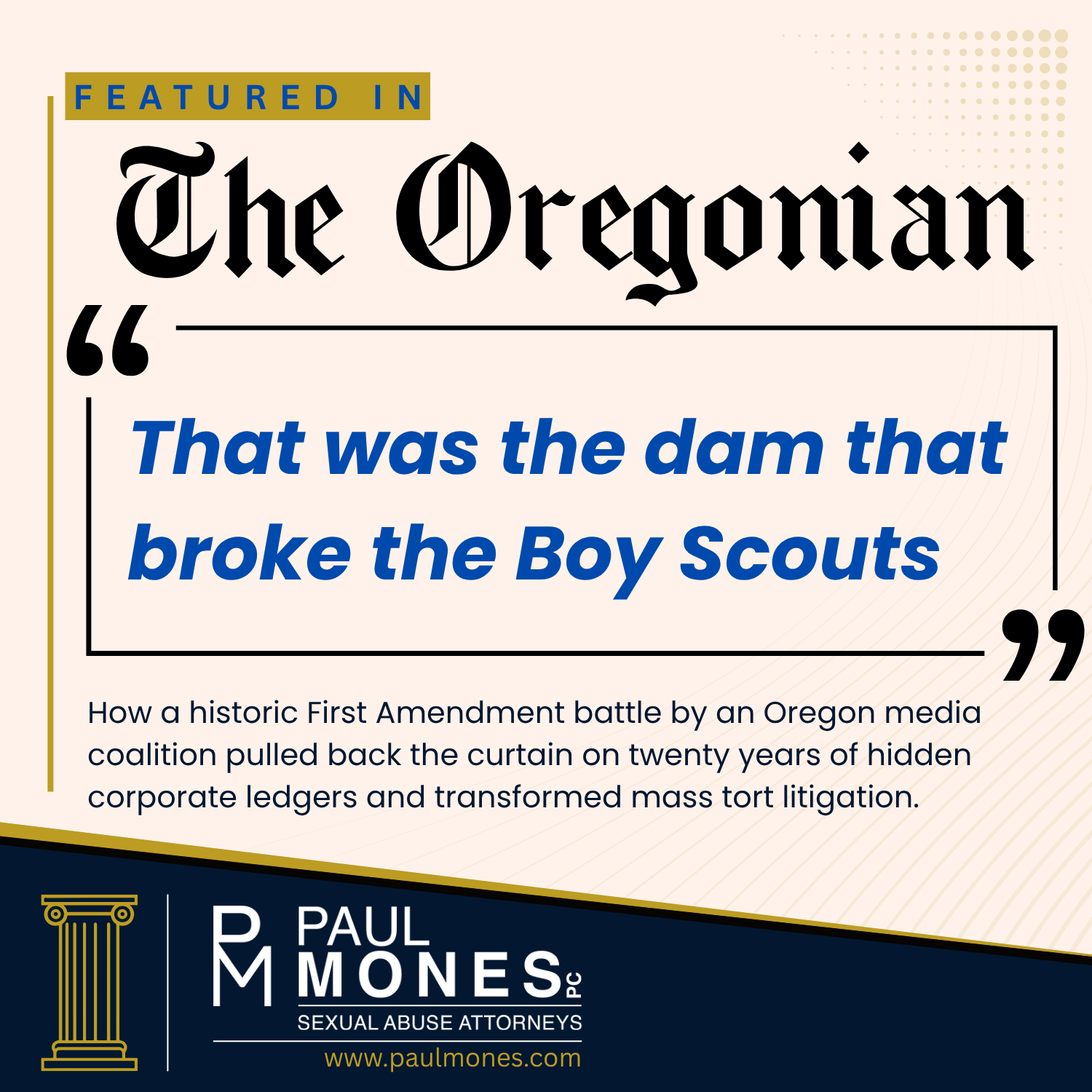
The unsealing of the Boy Scouts perversion files public access marks the foundational moment that shattered the organization’s wall of secrecy. Trial attorney Paul Mones explains that the release of these 20,000 internal pages exposed a systematic policy of concealing…
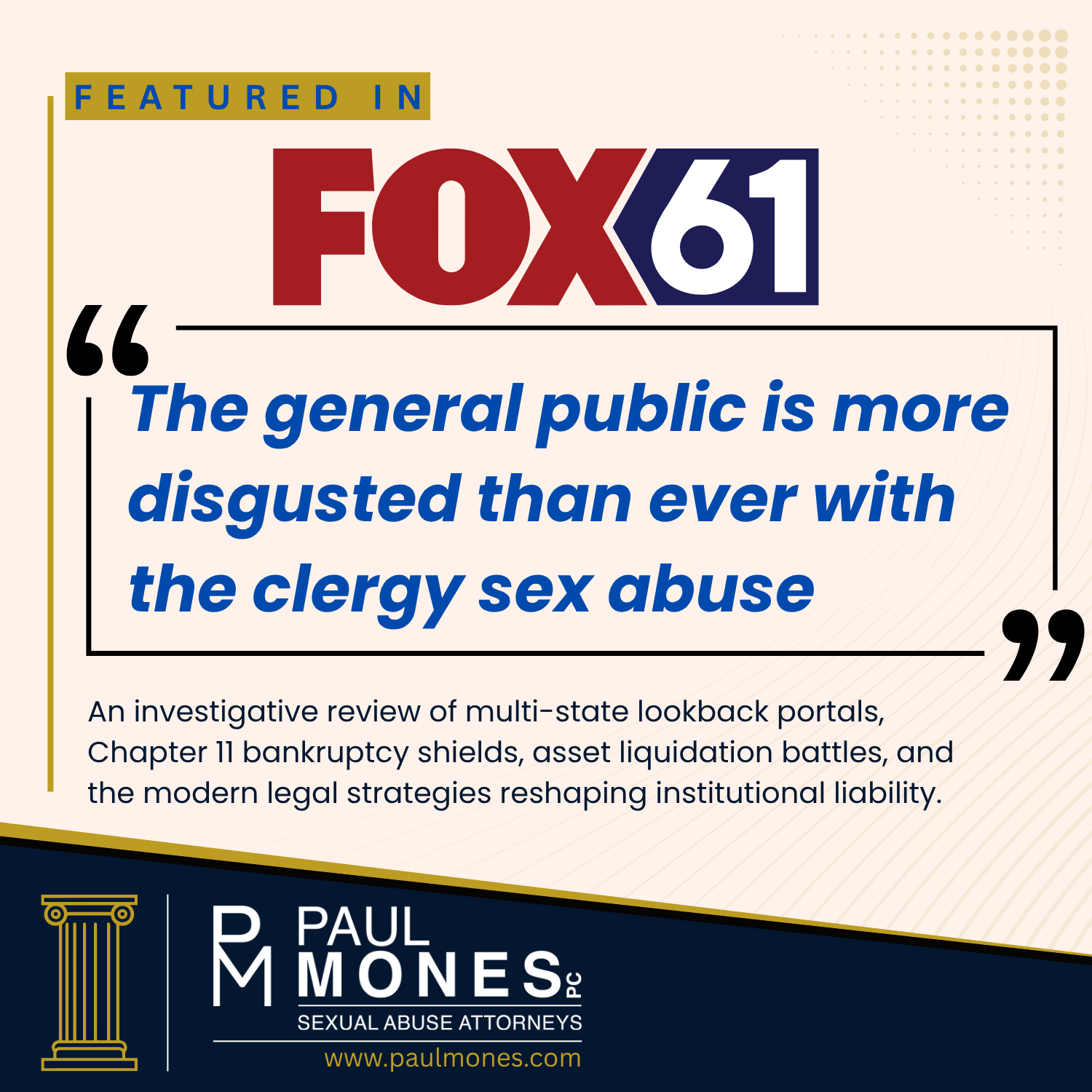
The rapid expansion of civil lookback windows across 15 states has unleashed an unprecedented wave of clergy abuse lookback window litigation. National trial specialists report that by lifting the strict deadlines that historically barred adult survivors from court, these proactive…
Childhood trauma physical health connections reveal that historical stress leaves a lasting biological footprint. Discover how toxic stress rewrites the nervous system, elevates chronic inflammation, and increases the long-term risk of autoimmune and heart diseases in adulthood, and explore somatic…
Justice for Childhood Abuse Years Later: Validating the Adult Journey toward Accountability For many individuals who experienced historical trauma during their formative years, the realization of what happened does not arrive all at once. The path from the initial event…
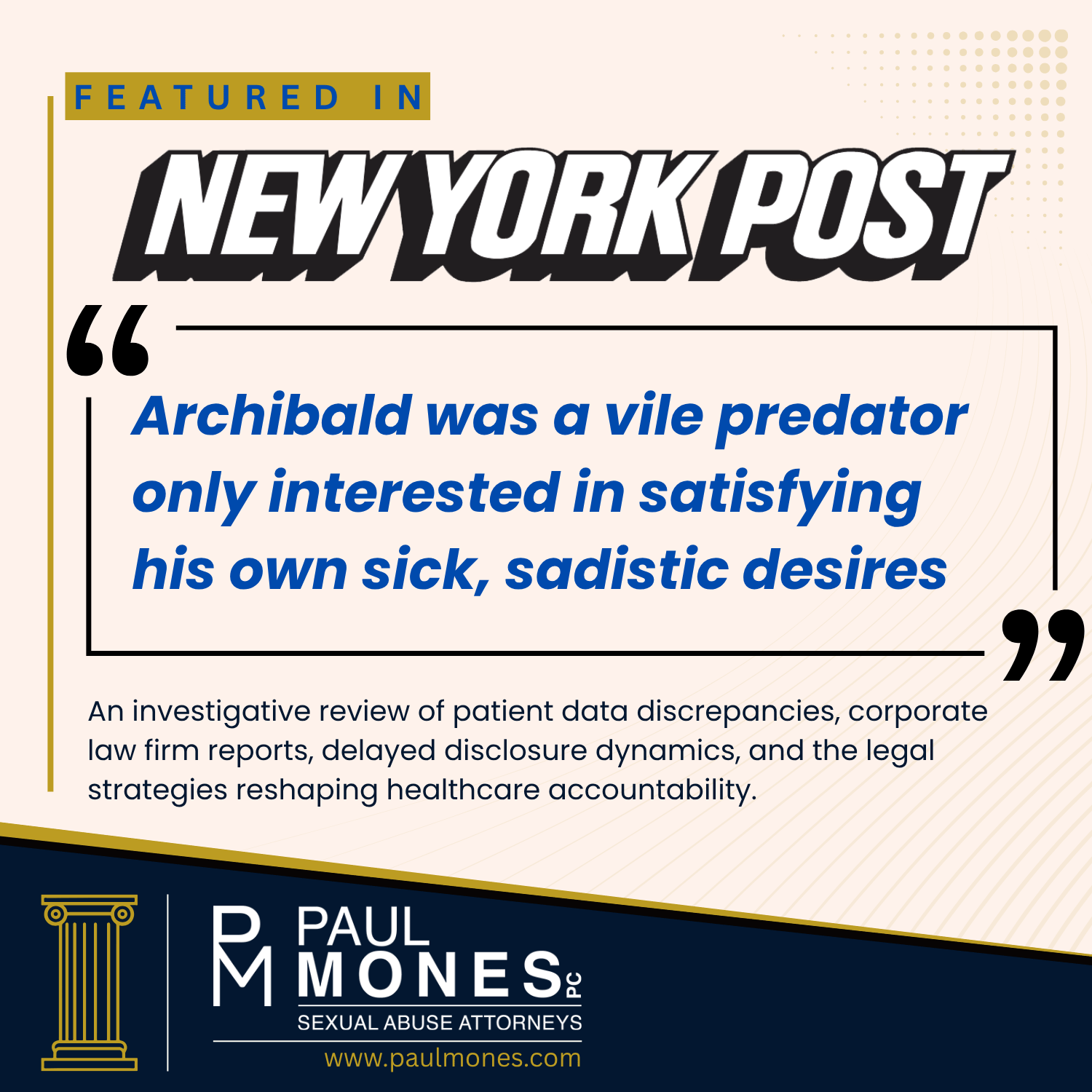
The disclosure of a private archive containing 9,000 patient files has fundamentally transformed modern medical institutional abuse litigation. Using the historic Dr. Reginald Archibald scandal as a baseline, legal specialists demonstrate how elite medical research facilities routinely use self-commissioned corporate…
Childhood sexual abuse intimacy challenges often show up in adult life as anxiety, dissociation, avoidance, or over-accommodation during physical closeness. Discover how early trauma conditions the nervous system, learn somatic grounding strategies to stay present, and explore how setting clear,…
The resolution of the civil action involving Portola Middle School highlights the evolving framework of public school district misconduct liability. Legal experts break down how families can bypass standard administrative immunities and hold major municipal education boards directly accountable for…
With the filing deadline closed, more than 88,000 Boy Scouts Chapter 11 bankruptcy filing victims have come forward, exposing an institutional crisis larger than the Catholic Church abuse scandal. Attorney Paul Mones notes the organization kept secret “perversion files” on…
An explosive Thacher School investigation has pulled back the curtain on decades of unchecked faculty sexual abuse and institutional cover-ups. A second civil lawsuit accuses the elite Ojai boarding school of gross negligence for hiring a known predator to prioritize…
Healing from childhood sexual abuse is a deeply brave, non-linear journey of reclaiming your agency and bodily autonomy. Learn how adult survivors are utilizing somatic tools, trauma-informed therapies, and systemic accountability to move out of chronic survival mode and build…
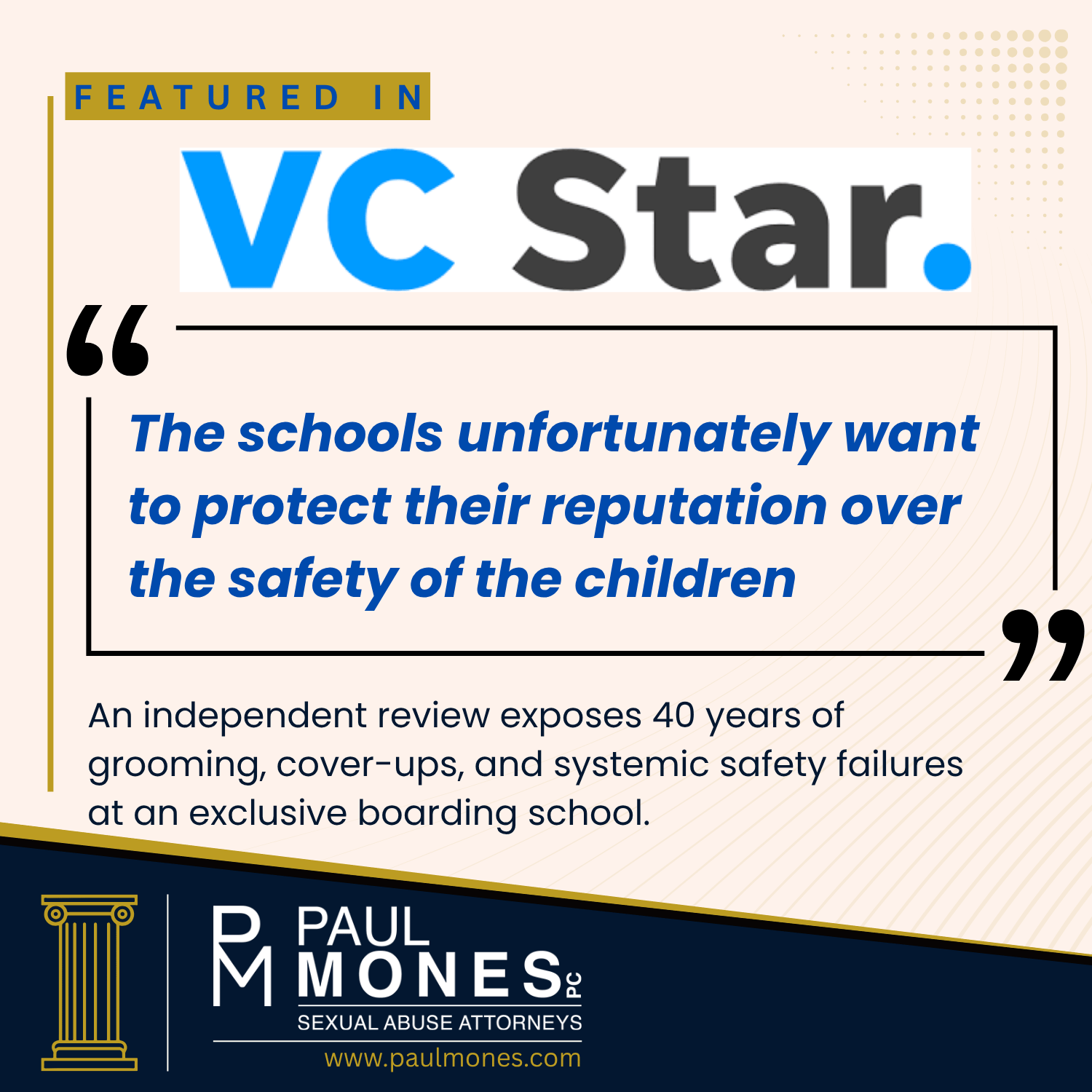
A shocking Ojai Thacher School sexual abuse investigation has uncovered 40 years of grooming and administrative cover-ups at the elite boarding campus. Represented by attorney Paul Mones, survivors are challenging the institutional culture that prioritized reputation over student safety. Learn…
What is the Gender Motivated Violence Act? Learn how New York City’s historic 2026 amendment overrode a mayoral veto to reopen a strict 18-month lookback window, allowing survivors of historical sexual assault and domestic violence to file civil claims and…
What Is Grooming in Child Sexual Abuse and Why Recognition Takes Years For many adult survivors of childhood trauma, looking back at the past involves peeling away complex layers of confusion, self-blame, and structural silence. One of the most common…
Historical boundary violations alter a survivor’s map of adult safety. The link between childhood trauma and trust issues forms when a protective figure causes harm. To survive, the child’s nervous system builds defenses like hypervigilance or isolation. These are not…
Rebuilding trust after childhood abuse is a deeply brave, gradual process of reclaiming your personal power. Discover how to transition out of relationship survival mode, learn the value of cultivating deep self-trust first, and explore gentle, somatic strategies to identify…
Why Survivors Often Delay Reporting Childhood Sexual Abuse Understanding the Timeline of Processing and Recovery When an adult survivor begins to look back at their childhood history, the timeline of their memory can feel deeply confusing. Many individuals ask themselves…
Is it too late to seek accountability for historical trauma? Modern legislative reforms, extending lookback windows, and shifting state laws are rapidly changing the childhood sexual abuse statute of limitations across the nation. Discover how the legal system is aligning…
Recognizing childhood sexual abuse as an adult can feel overwhelming, but delayed realization is a normal, creative survival strategy of the human mind. Discover how children normalize boundary violations to survive, why adult life milestones like parenting or healthy relationships…
Healing after childhood sexual abuse is a deeply personal, non-linear journey that completely defies a one-size-fits-all timeline. Discover the psychological factors that shape individual recovery, explore diverse trauma-informed somatic modalities, and learn how to honor your personal pace as you…
Self-blame after childhood sexual abuse is a common protective response formed when a child’s mind tries to maintain an illusion of control in an unsafe world. Discover how grooming, involuntary bodily responses, and systemic denial contribute to long-term feelings of…
Institutional betrayal childhood abuse occurs when trusted organizations choose self-preservation over child safety. Discover how schools, religious groups, and youth leagues compound historical trauma through administrative minimization, and learn how survivors are shifting the burden of shame back onto the…
Can I still file a gender motivated violence act lawsuit if the abuse happened years ago? Yes. Learn how New York City’s landmark 2026 legislative amendment completely removes old deadlines, opening an active 18-month lookback window that allows survivors of…
Institutional failure child sexual abuse occurs when trusted organizations prioritize their reputation over the safety of minors. Discover the structural breakdowns, internal cover-ups, and systemic negligence that allow exploitation to persist, and learn how civil litigation acts as a vital…
Who qualifies for a gender motivated violence act lawsuit? Discover the 4 essential eligibility requirements under New York City’s active 2026 lookback window, learn how the updated law covers historical sexual assault and institutional enablement, and find out how to…
Understanding why survivors lean on minimizing childhood sexual abuse is essential to trauma recovery. Trauma-informed advocates explain how downplaying historical exploitation serves as an adaptive psychological shield to preserve daily functioning, protect self-identity, and manage overwhelming institutional betrayal.
Childhood trauma boundaries often show up in adult relationships as either chronic people-pleasing or intense hyper-independence. Discover how early life violations reshape your nervous system’s relationship with safety, learn to recognize the fawn response in daily life, and explore somatic…
In 2022, Jennifer Vurno waived her anonymity to sue The Thacher School for historical sexual abuse. Powered by California’s AB 218, the case exposed how elite institutions protected abusers—and why her decision continues to inspire survivors today.
Delayed disclosure of child sexual abuse is an adaptive protective survival response to early trauma, fear, coercion, and power imbalances. Discover why survivors delay disclosure for years or decades, explore the developmental and social factors shaping silence, and learn how…
The connection between childhood abuse self worth challenges is a profound aspect of adult trauma recovery. Psychological specialists break down how absorbing unearned shame serves as an early survival mechanism, helping survivors understand, validate, and gently reshape the deeply rooted…
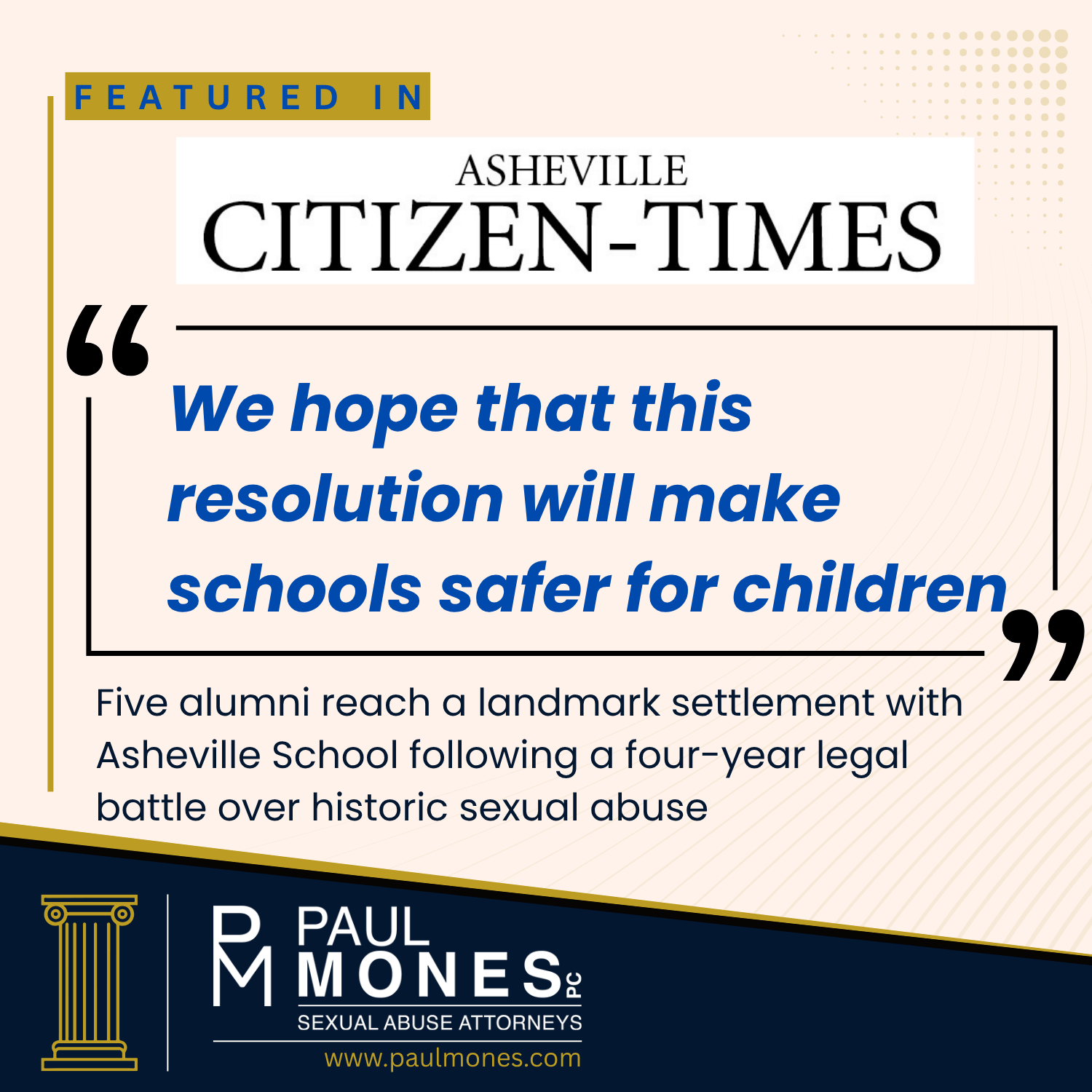
Five alumni represented by Paul Mones LLC and co-counsel have reached a landmark settlement with Asheville School over historic sexual abuse. Filed under North Carolina’s SAFE Child Act lookback window, the lawsuits exposed a toxic campus environment dating back to…
When an organization knows about harm and fails to act, it breaches its fundamental duty of care. Discover how institutional negligence sexual abuse occurs through actual notice, quiet reassignments, and victim minimization, and learn how survivors can assert their rights…
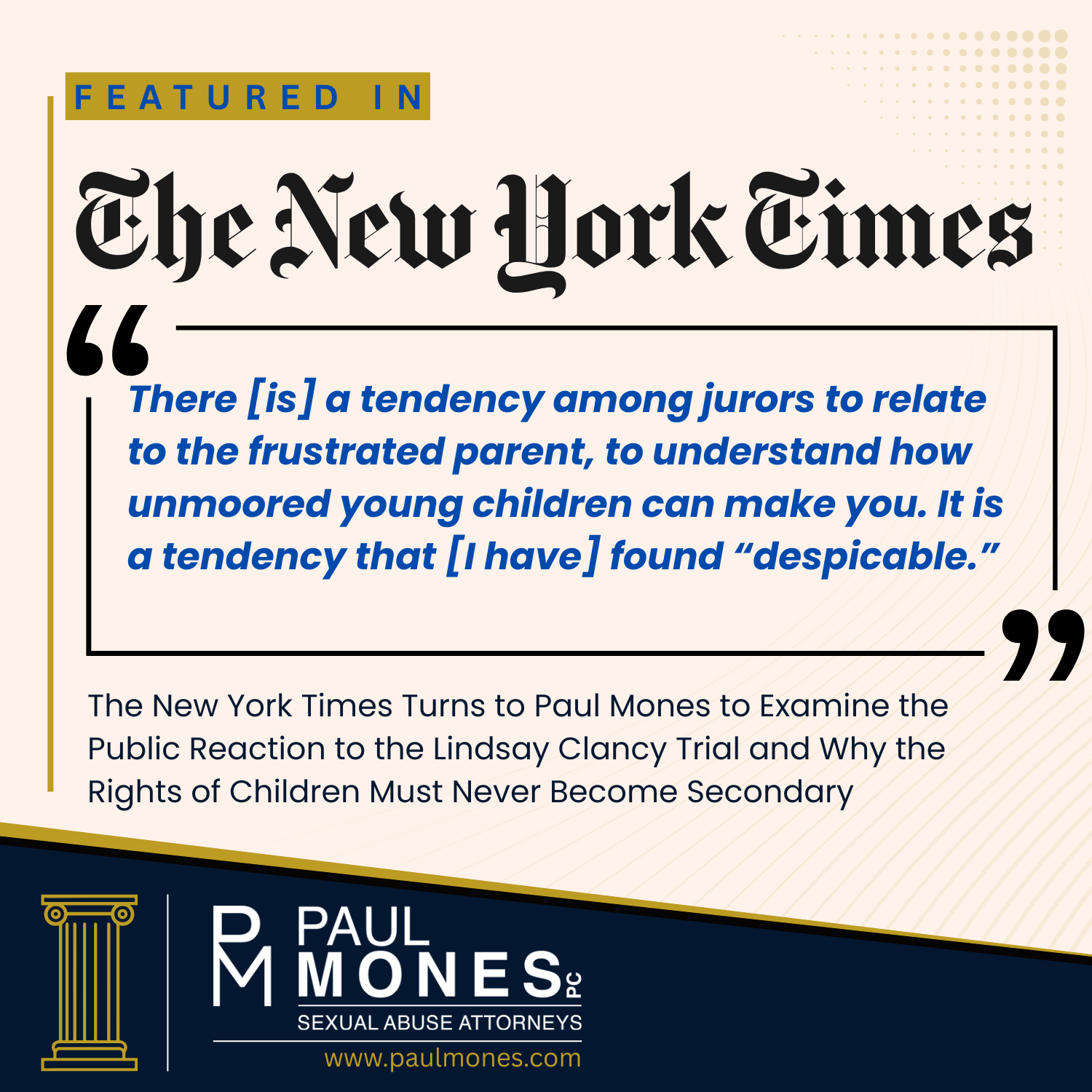
Attorney and longtime children’s rights advocate Paul Mones was recently interviewed by The New York Times for an analysis of the public reaction surrounding the murder trial of Lindsay Clancy, the Massachusetts mother accused of killing her three young children.…
Former Ocean View High School teacher Andrew Bueno Potts was arrested in 2018 after a teenager reported sexual abuse. He later pleaded no contest, received a two-year prison sentence, and was ordered to register as a sex offender for life.…
Julie Tichon has been accused of engaging in a series of sexual assaults against teens while employed as a counselor at Yeshiva University High School of Los Angeles (YULA), a modern orthodox yeshiva high school. The District Attorney’s Office charged…
Lawsuits against Chow’s Gymnastics reveal serious allegations of abuse, institutional failures, and missed warnings. Survivors may still have legal options to seek accountability and justice for what happened.
A wrongful death lawsuit filed against The Thacher School in Ojai, California, raises difficult and necessary questions about the obligations institutions assume when they take responsibility for the care of young people. The case, brought by the parents of 19…
Speak With Paul Mones & His Team of Sexual Abuse Lawyers
For more than 40 years, Paul Mones has represented survivors of child sexual abuse and has helped uncover how these patterns develop inside trusted institutions. If you have questions about something that happened, or something that does not feel right, you can start by understanding your options.
Loading
Form successfully restored
The form has been restored from your last edit. If wish to start over, please click the button
Your message has been sent!
Thank you %NAME% for taking time to send us a message. We will contact you shortly.
We have also attached a copy of your submission.
Server Side Error
We faced problems while connecting to the server or receiving data from the server. Please wait for a few seconds and try again.
If the problem persists, then check your internet connectivity. If all other sites open fine, then please contact the administrator of this website with the following information.
TextStatus: undefined HTTP Error: undefined
Processing your message...
Error
Some error has occured.
Featured On
This website uses cookies to improve your experience. If you continue to use this site, you agree with it. Privacy Policy